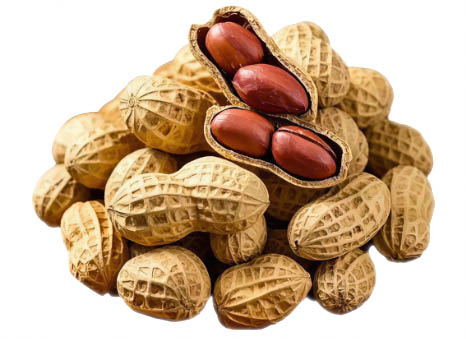

Peanuts are rich in essential nutrients. In a 100 g serving, peanuts provide approximately 570 calories and serve as an excellent source of several B vitamins, vitamin E, manganese, magnesium, phosphorus, and dietary fiber. They contain about 25 g protein per 100 g—a higher proportion than many tree nuts. Beyond baseline macronutrients, peanuts harbor specific bioactive phytosterols, particularly beta-sitosterol, which laboratory research suggests may play a protective role in colon, prostate, and breast cancer pathways.

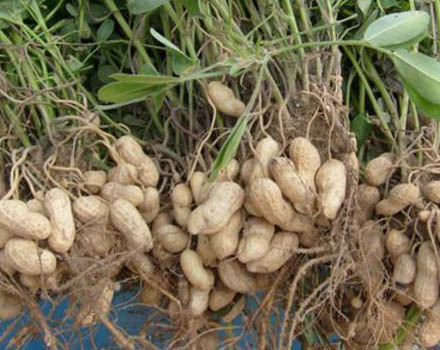
Botanically, peanuts (Arachis hypogaea) are legumes, not true nuts. Unlike almonds or walnuts that develop on trees, peanuts mature underground in pods, placing them closer to peas and soybeans in botanical classification. This distinction matters nutritionally: their lipid profile and protein density differ substantially from tree nuts, and their processing requirements demand different engineering approaches.
How Peanut Roasting Machine Processing Alters Nutrition
The method and intensity of roasting materially affect peanut chemistry. A study examining peanuts roasted at 210°C under controlled atmospheres found that the best flavor development occurred under nitrogen or carbon dioxide for 18 minutes, while oxygen exposure produced the most dramatic color changes. More critically for nutrition, losses of total alpha-amino nitrogen, glucose, sucrose, and conarachin depended on roast duration rather than atmospheric gas composition—meaning time control is the primary lever for nutrient preservation.
Commercial operations typically rely on final color to set roaster time-temperature profiles. However, research from the USDA Agricultural Research Service demonstrated that identical surface colors can be achieved through different time-temperature combinations, yet the resulting chemical composition—including vitamin E content—varies substantially. For processors using a peanut roasting machine, this means that color-matching alone is insufficient for nutritional quality assurance. The optimal flavor, according to that same study, was achieved at 177°C for 15 minutes with a medium roast.
Roasting also concentrates most minerals on a per-weight basis. An analysis of raw versus roasted cultivars found that roasting resulted in higher concentrations of all measured nutrients except moisture and sodium, with retention rates near 100% for most proximate components and minerals. The apparent increase reflects water loss during roasting rather than mineral synthesis.
Varietal Differences: Not All Peanuts Are Nutritionally Equivalent
The four major U.S. market types—Runner, Virginia, Spanish, and Valencia—differ significantly in chemical composition. A 2024 compositional study found total oil ranging from 49.66% to 55.63%, with Runner samples highest in oil. Valencia types were highest in protein. Oleic acid content varied remarkably, from 54.74% to 82.65%, with Spanish types typically carrying the high-oleic trait. For product developers selecting raw materials for a peanut roasting machine line, these varietal differences dictate not only nutritional labeling but also roasting behavior and final flavor profile.
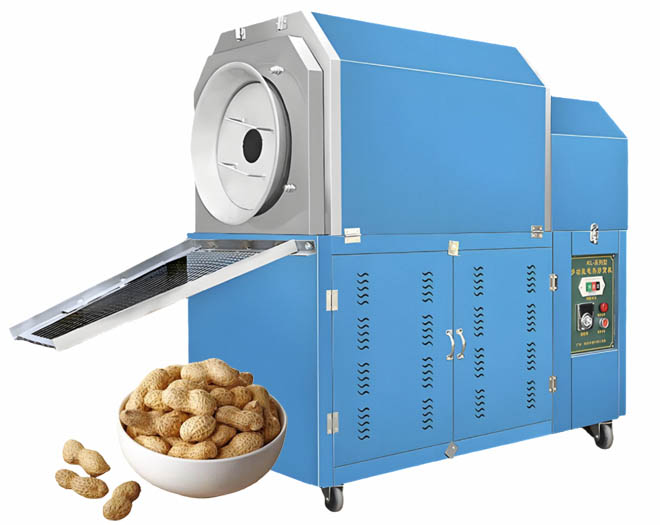
Peanuts processed by peanut roasting machine are more delicious and more popular among people of all ages. As a professional peanut roasting machine manufacturer, KMEC provides peanut roaster machine and chestnut roasting and opening machine of different models for users to choose from. If you are interested in peanut roasting or enjoy eating roasted peanuts, feel free to contact us.
FAQ:
Q1: Do roasted peanuts or raw peanuts have higher nutritional value?
Roasting does not destroy the majority of heat-stable nutrients; mineral retention approaches 100%, and tocopherols can actually concentrate in darker roasts due to moisture loss and oil migration. However, prolonged high-temperature roasting reduces certain amino acids and sugars. The net answer depends on roast intensity: moderate roasting (177°C/15 min) preserves flavor and nutrition well, while excessive roasting degrades heat-labile components.
Q2: Do different peanut varieties offer different nutritional value?
Yes. Valencia types are highest in protein; Runner types highest in oil; Spanish types are predominantly high-oleic, yielding a fatty acid profile closer to olive oil. These differences are statistically significant and nutritionally meaningful, particularly for consumers seeking specific fatty acid ratios.
Q3: Are peanut skins nutritious?
Peanut skins are exceptionally high in dietary fiber (38.8–42.8%) and contain proanthocyanidins with antioxidant activity. However, their high polyphenol content limits mineral absorption and protein digestibility if consumed in large quantities. They are best utilized as a functional extract source rather than a whole-food ingredient.