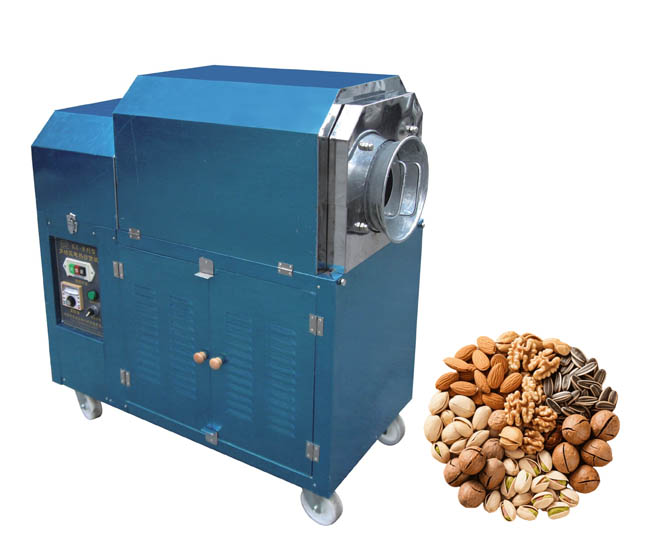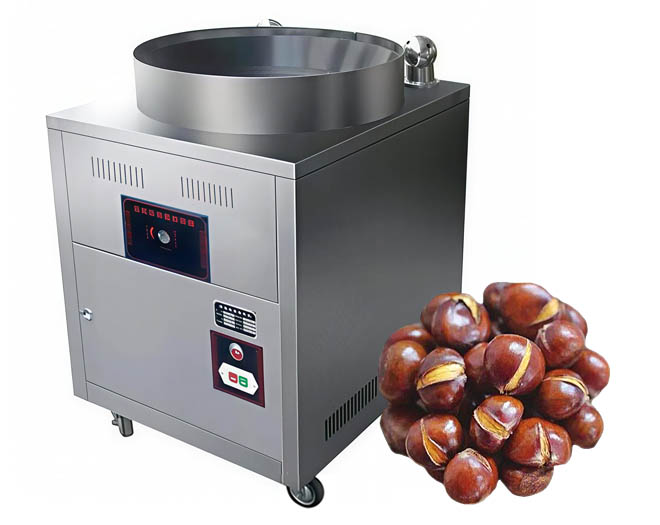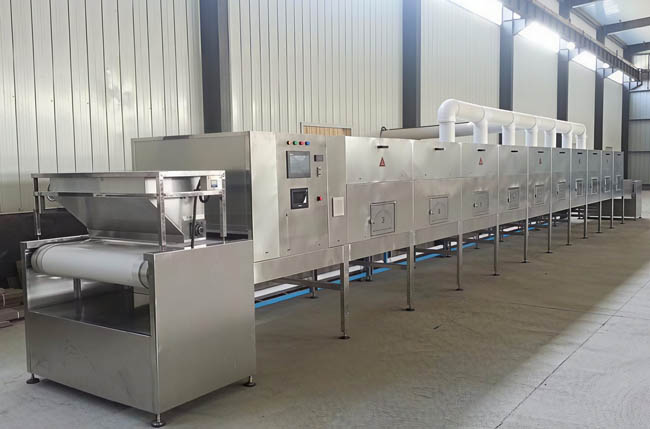

Peanut roasters are essential equipment in food processing and are widely used to roast peanuts, sunflower seeds, pumpkin seeds, almonds, cashews, and other nuts and legumes. Although these machines are designed for continuous, heavy-duty operation, the sudden appearance of unusual noises during the roasting process is a clear warning sign. This not only disrupts the production line but also typically indicates mechanical wear, electrical imbalance, or potential safety hazards that could lead to costly downtime.
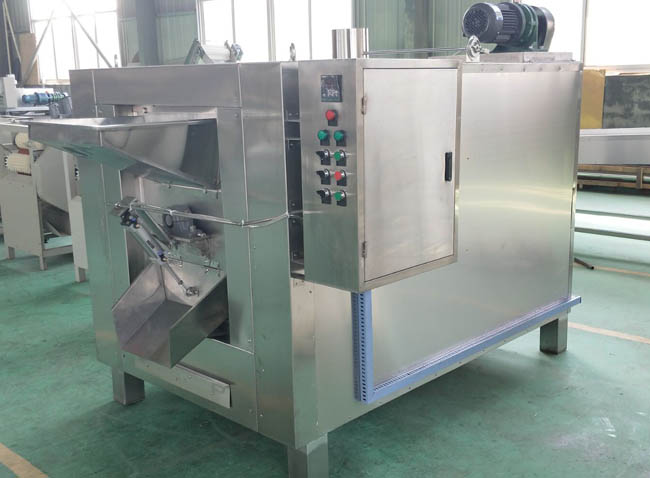
If your nut roaster begins to emit grinding, squealing, or knocking sounds, the first step is to immediately stop operation, disconnect the power supply, and conduct a system inspection. Below, we’ll detail the six most common causes of operational noise in peanut roasting equipment, along with practical solutions based on mechanical engineering and food processing best practices.
1. Bearing Wear or Insufficient Lubrication
The rotating drums and drive shafts of peanut roasting machines rely on high-quality sealed bearings to maintain smooth rotation. Over time, high-temperature environments (typically 180–220°C) cause the grease to degrade, leading to metal-on-metal friction. This produces a sharp screeching sound or an intermittent rumbling noise.
Solution:
- Implement a preventive maintenance schedule—lubricate the bearings with food-grade, high-temperature lithium-based grease every 200 hours of operation.
- If pitting appears on the bearing raceways or the cage is deformed, replace the bearings immediately. Ignoring this issue can lead to shaft misalignment and burn out the motor.
2. Loose Structural Fasteners and Mounting Bolts
The constant vibration of the baking drum and exhaust fan can cause bolts, nuts, and support brackets to loosen over time. Loose components can produce creaking or clanking noises, especially during startup and cooling phases.
Solution:
- After every 50 hours of operation, use a torque wrench to check all critical fasteners on the frame, motor base, and drum supports.
- Apply threadlocker (such as Loctite 243) to high-vibration connections to prevent them from loosening again.
3. Foreign Objects Entering the Drum or Screw Conveyor System
Raw peanuts often contain impurities such as small stones, clumps of soil, or metal fragments generated by harvesting equipment. These foreign objects may become lodged between the drum and the internal agitator blades, producing a sharp scraping sound or periodic thumping noises.
Solution:
- Install a magnetic separator and a vibrating screen upstream of the roaster to remove ferrous metals and oversized debris.
- If noise occurs, shut down the machine, open the cleaning hatch, and use a vacuum cleaner to remove all foreign objects. Inspect the interior of the drum for scratches or dents, as these can affect heat distribution.
4. Slipping or Misaligned Drive Belts
Most peanut roasters use V-belts or timing belts to transmit power from the motor to the drum shaft. Belt aging, insufficient tension, or oil contamination can cause slippage, resulting in squeaking or low-frequency vibrations. Misaligned pulleys can also lead to periodic wear and noise.
Solutions:
- Check the belt deflection—proper tension should allow for a gap of about 10–15 millimeters when pressing down on the center of the belt.
- Inspect the pulley grooves for wear; replace belts in sets to avoid uneven load distribution. Use a laser alignment tool to ensure the motor and drum pulleys are in the same plane.
5. Motor Rotor Imbalance or Bearing Failure
The motor (typically 3–15 kW) is the power source for the peanut roaster. If the rotor windings are unbalanced or the internal motor bearings fail, you may hear a low-frequency humming sound accompanied by intermittent vibrations. This is usually accompanied by an increase in the motor’s surface temperature (>90°C).
Solution:
- Use a clamp meter to measure the motor current—if the current fluctuates by more than ±10% of the rated value, suspect a problem with the rotor or capacitor.
- Never attempt to repair the motor yourself; contact a certified industrial electrician to perform dynamic balancing or replace the motor bearings and armature.
6. Overloading Beyond Design Capacity
Each peanut roasting machine has a specified maximum batch capacity (e.g., 50 kg per cycle). Exceeding this load forces the drive system to operate at excessive torque, causing noise from the gearbox and increasing belt tension. Overloading also reduces airflow, leading to uneven roasting and extended cycle times.
Solution:
- Be sure to weigh each batch of peanuts before loading. Use a platform scale to ensure the load remains within 90% of the rated capacity for optimal performance.
- If you require higher throughput, consider upgrading to a larger model equipped with a reinforced gearbox and a more powerful motor.
If the peanut roaster makes abnormal noise when it is working. First, it should stop running and cut off the power supply, carefully check all parts of the equipment and find out the root of the problem. Regular maintenance is an important measure to prevent equipment failure, which can effectively prolong the service life of equipment and improve production efficiency. If the problem cannot be solved independently, you should contact professional and technical personnel for maintenance in time to avoid greater losses.