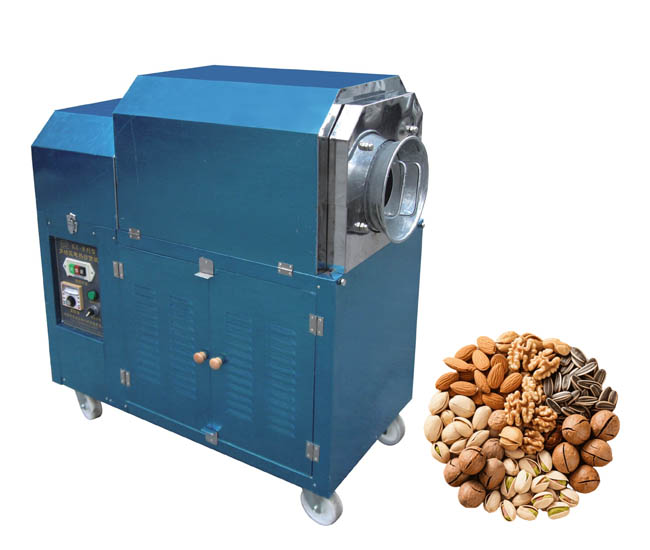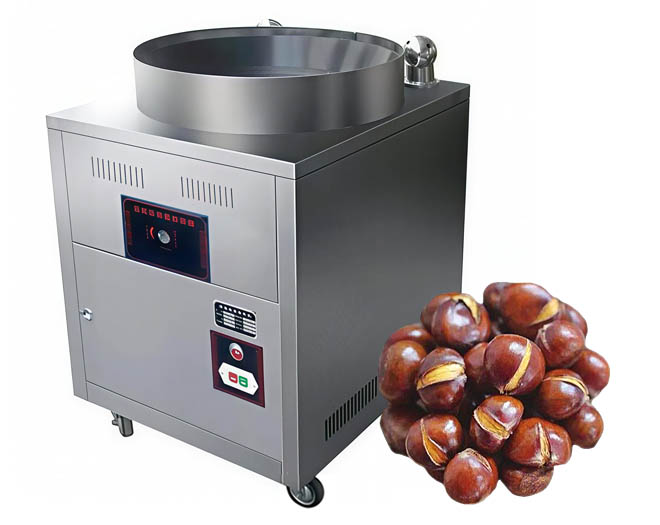

Roasting is a crucial link in peanut processing. In order to ensure high production efficiency and consistent product quality, it is essential to choose a suitable nut roasting machine and match its capacity to your actual output. Below are several key reasons why nut roaster capacity matching deserves careful attention during equipment procurement.
1. Avoiding Capacity Imbalance
Avoiding capacity imbalance is the primary reason for choosing a suitably sized nut roaster. If the capacity of the roaster is too large or too small, it will lead to disharmony across the production line. An oversized peanut roasting machine may run below its rated load, resulting in idle performance and unnecessary energy consumption and operating costs. Too small a peanut roaster may fail to meet production demand, causing production delays, bottlenecks, and low efficiency. Choosing a peanut roasting machine that matches the actual output can effectively avoid these problems and keep the whole roasting line running smoothly.
2. Controlling Energy Consumption and Cost
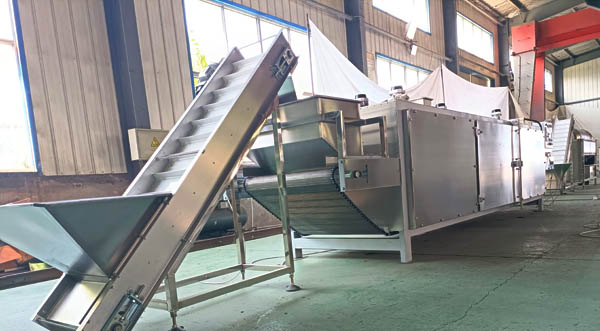
Controlling energy consumption and cost is an important consideration for economical production. The roasting process requires a substantial amount of energy—whether electric, gas, or biomass heating. Choosing the right nut roasting machine can effectively reduce energy consumption while ensuring output, thereby lowering production costs. A peanut roasting machine matched to the output can save energy and ensure the continuity and stability of production. Over time, this capacity matching delivers a measurable return on investment and shortens the payback period of the equipment.
3. Ensuring Quality and Process Stability
Ensuring quality and process stability is another important reason for choosing suitable equipment. During peanut roasting, the control of roasting temperature and roasting time has a direct impact on the final product quality. A suitable nut roaster provides stable temperature control, so that peanuts are evenly heated, ensuring consistency in flavor, color, and taste. In addition, a stable roasting process reduces the defective product rate and improves the market competitiveness of the finished product. For processors producing peanut butter, roasted peanuts, or snack products, consistent roast profiles are essential for brand quality.
4. Reserving Capacity for Future Growth
When planning production capacity, actual output needs to include a reasonable reserve. Various unforeseen issues may arise during production, such as equipment maintenance, seasonal demand peaks, and fluctuations in raw material supply. Therefore, when selecting a peanut roasting machine, consider possible future output growth and leave room for enterprise development. A nut roasting machine with modest capacity headroom supports business expansion without requiring immediate reinvestment in new equipment.
5. Improving Overall Line Efficiency
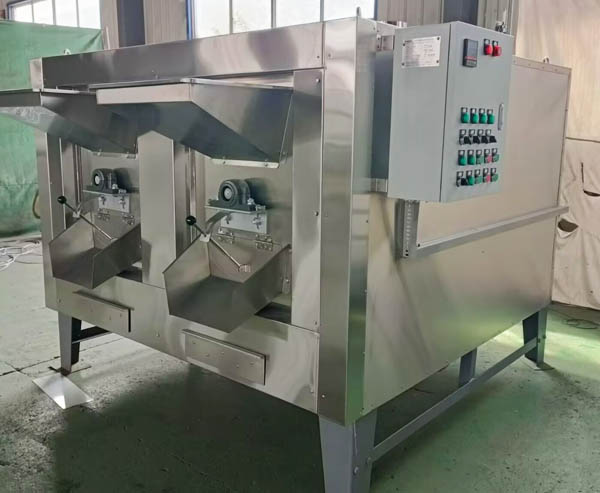
A properly matched nut roaster also improves the efficiency of the entire processing line, including conveyors, cooling equipment, peeling machines, and packaging systems. When the roasting capacity aligns with downstream and upstream equipment, material flow becomes smoother, downtime is reduced, and labor productivity increases. This line-level coordination is a key factor in industrial peanut processing.
Conclusion
To sum up, choosing a nut roaster that matches the output can improve production efficiency, reduce energy consumption and cost, improve product quality, and bring greater economic benefits to the enterprise. These factors should be carefully considered during equipment procurement and production planning. If you are evaluating a peanut roasting machine for your facility, contact our team to discuss capacity options and find the right nut roasting equipment for your production needs.