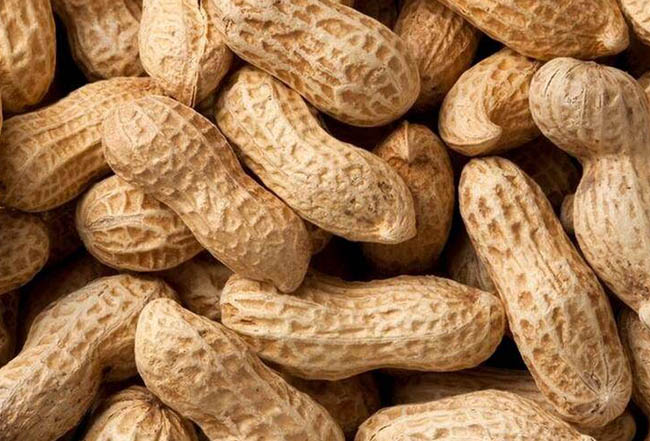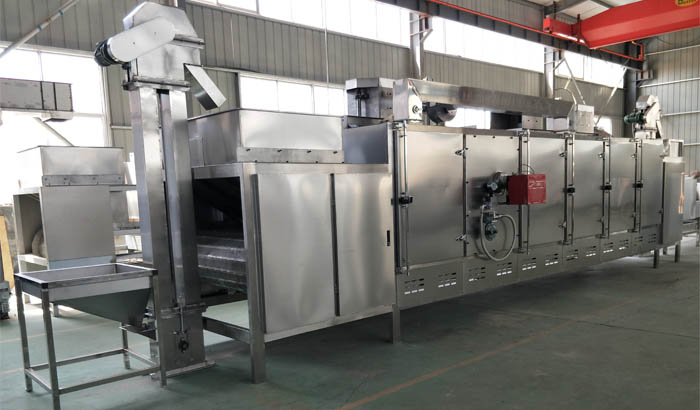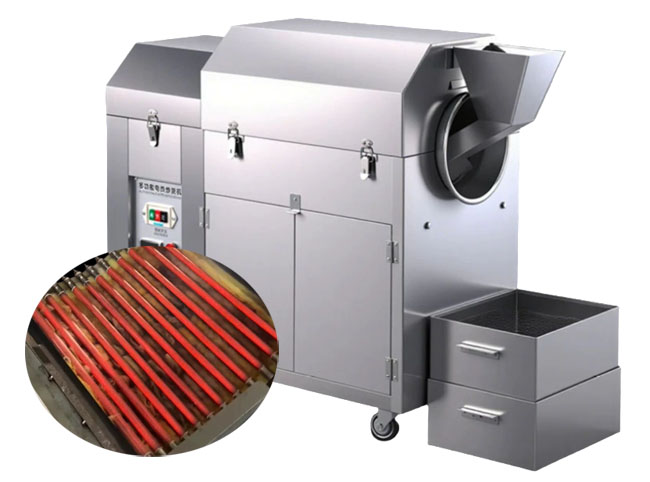

Roasting high-moisture peanuts is a common challenge in the food processing industry and small-scale production. If peanuts are roasted without proper moisture control, the outer layer may burn while the interior remains undercooked. This not only affects the flavor and texture of the peanuts but also shortens their shelf life.
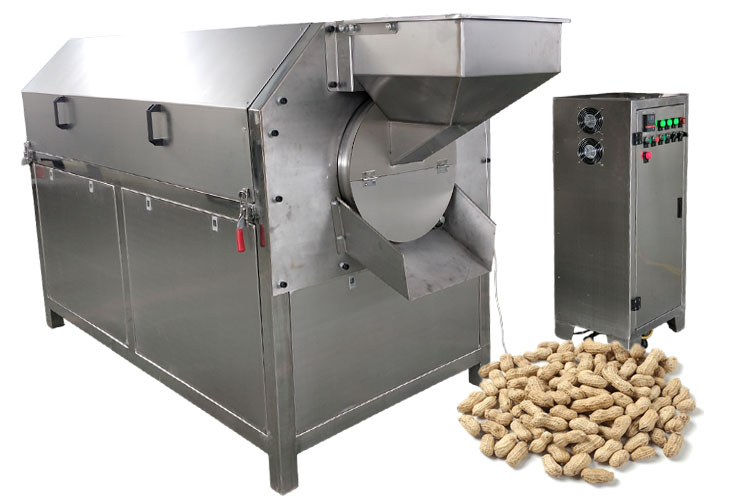
To achieve consistent, high-quality roasting results, it is essential to combine proper pretreatment, suitable roasting equipment, and controlled roasting techniques.
1. Why High-Moisture Peanuts Are Difficult to Roast
Peanuts with excessive moisture (typically above 10–12%) require additional energy during the roasting process to evaporate the internal moisture. This often results in uneven roasting (burnt on the outside, raw on the inside), extended roasting times, and increased energy consumption. Therefore, moisture control is a critical step in peanut processing.
2. Pre-drying: A Critical Step Before Roasting
Pre-drying is strongly recommended before using a peanut roaster machine.
Common pre-drying methods:
- Natural Air Drying: Spread the peanuts in a well-ventilated, shaded area
- Hot Air Drying: Use a peanut dryer for rapid, controlled dehydration
- Low-Temperature Drying: Maintain temperatures between 40–60°C to prevent damage to the peanut kernels
Reducing moisture content to around 8–10% creates ideal conditions for even roasting and improves the quality of the final product.
3. Choosing the Right Roasted Peanut Machine
Choosing the right peanut roasting machine is crucial for efficient processing. Modern peanut roasting equipment allows for precise control of temperature, airflow, and roasting time, ensuring all peanuts are roasted evenly. For industrial applications, we recommend using commercial peanut roasting machines with continuous operation capabilities.
4. Proper Roasting Techniques
When roasting high-moisture peanuts, heat them gradually, starting at a lower temperature and gradually increasing it to avoid surface scorching. Continuously agitate the peanuts using drum rotation or manual stirring to ensure even heating, and maintain adequate ventilation to enhance moisture evaporation during the roasting process.
Roasting peanuts with high moisture content requires a systematic approach, including pre-drying, selecting the appropriate roasted peanut machine, and employing the correct roasting techniques. By optimizing each step, you can significantly improve product quality, taste, and shelf stability. Whether you use a small-scale peanut processor or a large commercial peanut roaster, mastering these methods will help you consistently produce crispy and delicious roasted peanuts.