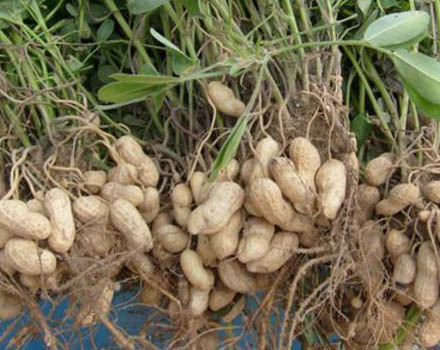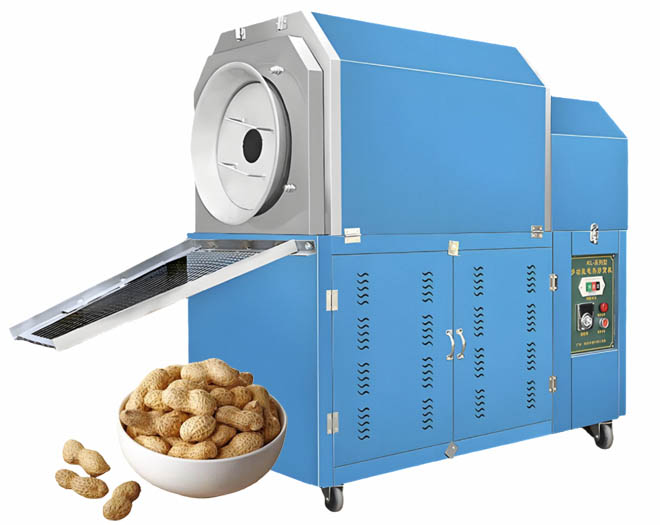

In the modern food processing industry, the peanut roaster has become an essential tool for improving production efficiency and delivering consistent product quality. However, some operators who use a peanut roasting machine tend to blindly pursue rapid roasting, assuming that faster cycles automatically translate into higher yield and better efficiency. In practice, this approach often does more harm than good.
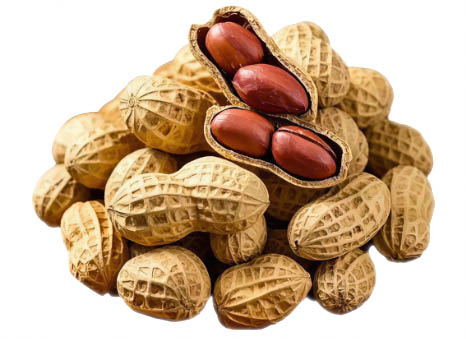
The Science Behind Roasting Peanuts
Roasting peanuts is a complex heat treatment process involving heat transfer, moisture migration, and the Maillard reaction. When peanuts are heated, moisture inside the kernels evaporates and migrates outward; at the same time, sugars react with amino acids to produce the distinctive roasted flavor and aromatic compounds characteristic of peanuts. The ideal roasting process typically takes place within a temperature range of 140°C to 160°C and lasts between 20 and 40 minutes; the exact duration depends on the peanut variety, kernel size, initial moisture content, and the desired roast level (such as light, medium, or dark).
Key quality indicators—including moisture content (which typically needs to be reduced to around 2%–4%), color development, crispness, and volatile flavor compounds—all depend on a precise balance between roasting temperature and time. If this balance is disrupted due to overheating or insufficient roasting time, it can lead to uneven roasting, which in turn compromises the product’s sensory quality and shortens its shelf life.
Rapid Roasting Compromises Texture and Quality
Although rapid roasting of peanuts at high temperatures can shorten the processing cycle, it often results in excessive charring on the surface while the interior remains undercooked. This “crisp on the outside, raw on the inside” phenomenon stems from the peanut’s low thermal conductivity, which limits the transfer of heat from the surface to the center of the nut. The outer layer rapidly absorbs heat and begins to carbonize, while the center has not yet reached the temperature required to fully develop the flavor.
The consequences cannot be ignored:
- Flavor defects: Over-roasting the surface produces bitterness and a burnt taste, while under-roasting the interior leaves a raw bean flavor or unpleasant off-flavors.
- Nutrient loss: Excessively high temperatures destroy heat-sensitive nutrients (such as certain B vitamins and unsaturated fatty acids) and accelerate lipid oxidation, causing the product to develop a rancid taste.
- Food safety risks: Uneven roasting may result in excessively high internal moisture content, creating conditions conducive to mold growth and shortening the product’s shelf life.
For companies striving for high-quality products, this is undoubtedly a case of the costs outweighing the benefits.
Rapid roasting accelerates equipment wear and increases energy consumption
Operating peanut roasting equipment under high-load, high-temperature conditions over the long term accelerates equipment wear and shortens its service life. When heating elements, drums, bearings, and temperature control components operate beyond their design parameters, their rate of deterioration significantly increases. Furthermore, rapid roasting typically requires a higher energy input per batch, which not only drives up production costs but also reduces the energy efficiency of the entire production line.
From an operational perspective, unstable rapid roasting also makes quality control more difficult. Inconsistencies in quality between batches lead to higher rework and scrap rates, which ultimately offset the efficiency gains expected from rapid roasting. In contrast, well-designed industrial peanut roasting equipment prioritizes stable heat distribution and precise parameter control rather than simply pursuing processing speed.
Best Practices for Professional Peanut Roasting
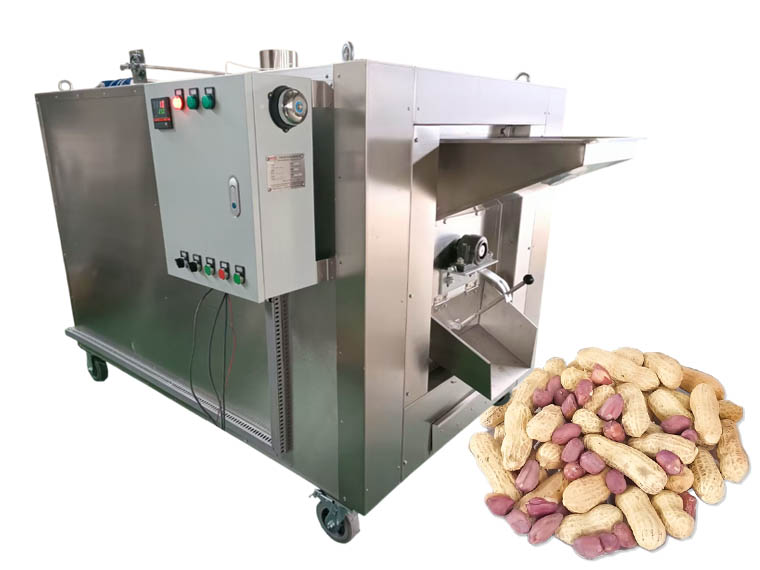
To fully leverage the capabilities of peanut roasting machine, processors should focus on process optimization rather than merely shortening processing cycles:
- Set Parameters Based on Product Type: Adjust temperature and time according to the peanut variety, kernel size, and desired degree of roasting. For example, peanuts used for snacks are typically lightly roasted, while those used for making spreads or candies require deep roasting.
- Control Batch Load Size: Avoid overloading the drum, as this can lead to uneven heat distribution and force operators to excessively raise the roasting temperature.
- Monitor moisture content: Pre-drying peanuts to a consistent moisture level before roasting ensures more uniform roasting results and reduces energy consumption.
- Use a precise temperature control system: Reliable temperature control and uniform heat distribution are key indicators of high-quality nut roasting equipment.
- Follow standardized roasting profiles: Document and replicate successful process parameters to ensure consistent product quality across batches.
When evaluating equipment, buyers should also consider how a nut roaster integrates with downstream processes such as cooling, blanching, and packaging—since overall line efficiency matters more than the speed of any single machine.
Conclusion
In summary, using a peanut roasting machine should not mean blindly pursuing speed. Enterprises should reasonably adjust roasting time and temperature according to specific product requirements to ensure quality, extend equipment life, and reduce production costs and safety risks. Only by balancing efficiency with process control can producers achieve sustainable, high-quality output—and truly improve production performance in the modern food processing industry.